UMass Boston

Conflict Resolution MA

Build a career on turning conflict into collaboration.

Request Info Apply

Description of the image

Request Info

Loading...

About the Program

The nation’s oldest program of its kind, UMass Boston’s Conflict Resolution master's program blends rigorous coursework with practical experience to help you turn conflict into collaboration across interpersonal, community, and global contexts. Develop skills in mediation, dialogue facilitation, conflict management, and peace building.

Here’s your chance to:

  • Become a mediator for the Commonwealth of Massachusetts through our mediation internship course and gain UN facilitator certification in the Intergroup Dialogue and Facilitation course.
  • Get hands-on experience with Beacon-to-Beacon, providing conflict resolution training and interventions for students, faculty, and staff on campus.
  • Conduct research and gain practical experience in conflict resolution and peace building through the Center for Peace, Democracy, and Development (CPDD).


0
of alumni are employed in the field
UMass Boston Survey Data, 2020-2022
0
mean annual salary of alumni
UMass Boston Survey Data, 2020-2022
0
of students get certified to mediate in local district courts via internships
UMass Boston Survey Data, 2026

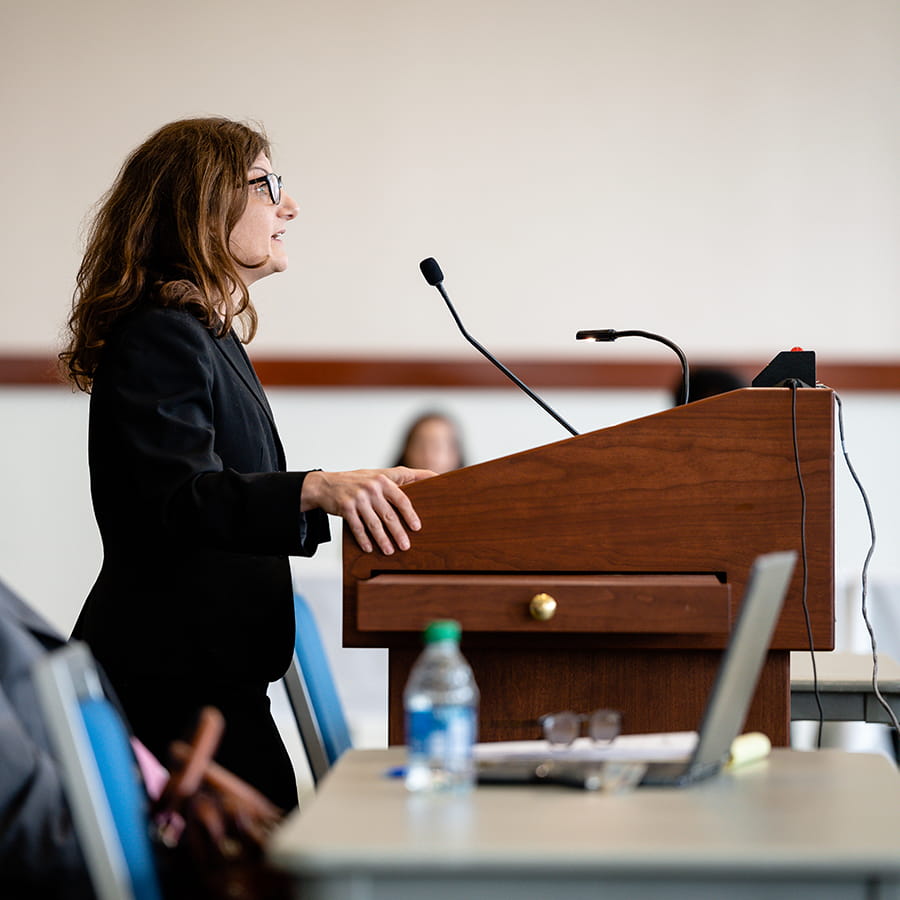
woman in business attire speaking with judge at the court of appeals

Career Possibilities

Turn the skills you build into a career in conflict resolution, peace building, and mediation. Participate in internships, fellowships, research projects, and paid opportunities that give you practical experience in the field. Competitive funding programs support independent research and applied learning, helping you develop skills, grow your professional network, and confidently advance in your career.

Here’s where this degree can take you:

  • Health Care
  • Union/Labor Organizing
  • Family/Elder/Divorce Mediation
  • Education Leadership
  • Human Resources
  • Mediation
  • Counseling
  • Restorative Justice
  • United Nations Work
  • Local/State/Federal Government Work
  • Diversity, Equity, Inclusion Opportunities
Example Employers of Program Graduates
UMass Boston Conflict Resolution MA alumni launch careers in business, government, education, health care, and international humanitarian work, including:
The World Bank
United Nations
Inter-American Development Bank (IDB) logo
Superior Court District of Columbia logo
Red Cross Logo
Center for Women in Transition
Massachusetts Commission Against Discrimination logo
National Institute of Health logo

Student Stories

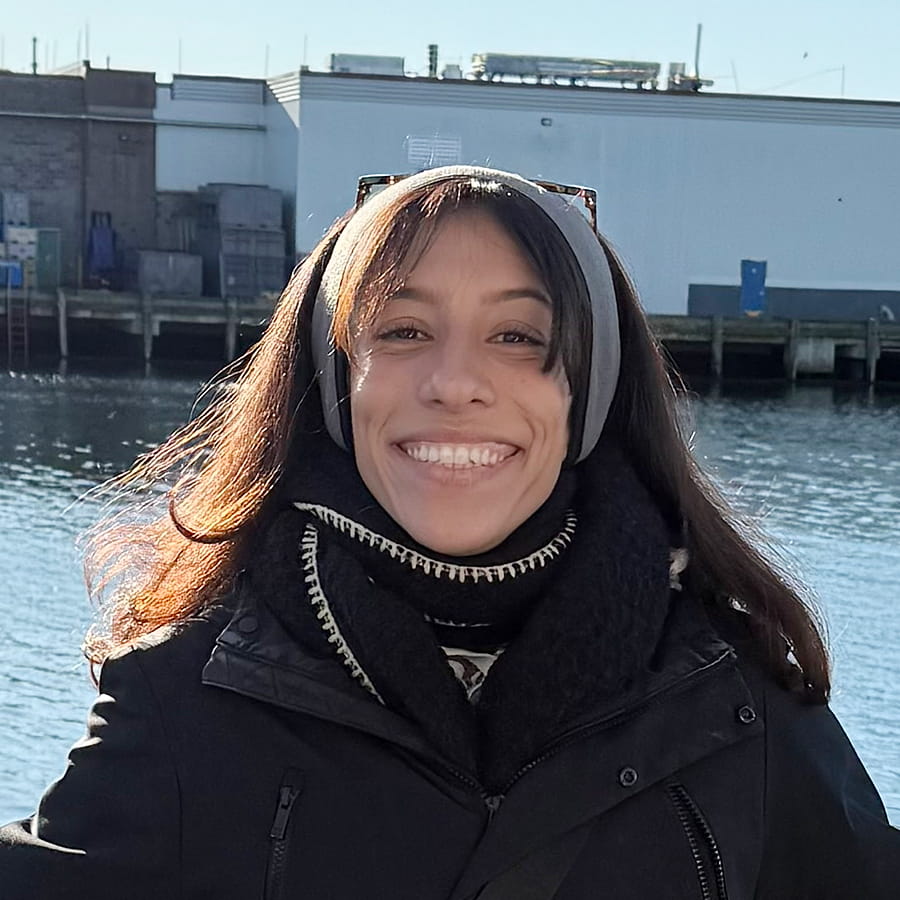
Tess M.
I chose this program because it aligns with my undergraduate and associate's degrees in human services. I feel fulfilled when I help people and I believe this degree will give me a set of skills that will enable me to help people on a deeper level. I’m learning new skills and concepts, and I am always applying things I’ve learned in the program to aspects of my job when I am working with clients or with co-workers and management.
Tess M.
Andrea M
I chose this program because of my interest in studying conflict resolution. Currently I'm in my second semester and I could not be happier with my decision. The way the classes are set up and the guidance from the professors have been extremely helpful. Especially since I've been out of formal classes for 10 years.
Andrea M.
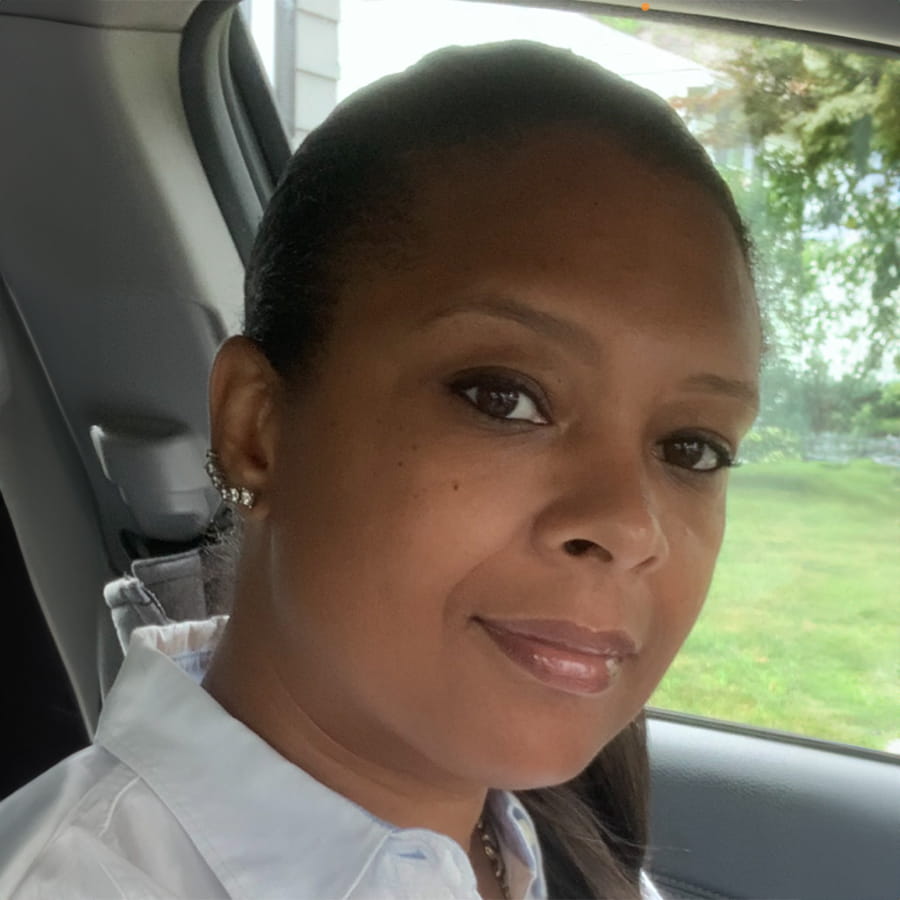
Makia L Conflict
The Conflict Resolution MA program has strengthened my skills with deescalation and resolve disputes while deepening my commitment to research, community advocacy, and public policy. Conflict Resolution helps me in my current role daily by applying mediation tactics, negotiation skills, and peace-building knowledge to help deescalate the difficult financial, academic, and policy conflicting communications that occur daily.
Makia L.

Plan Your Education

How to Apply

Deadlines: 

  • Fall Priority Deadline: February 1
  • Fall Final Deadline: June 15

Application Fee: The nonrefundable application fee is $75. UMass Boston alumni and current students that plan to complete degree requirements prior to graduate enrollment can submit the application without paying the application fee.

Financing Your Education

Estimate Your Program Cost: Get a feel for your expected program costs using the Graduate Program Cost Calculator.

Program Cost Information: Significant on-campus tuition discounts are available to residents of Massachusetts, the other New England states, New York, New Jersey, and Pennsylvania. For more detailed information on costs, visit the Bursar's website to learn more about Regular Session Tuition & Fees for in person courses and Special Price Tuition & Fees for online courses. Please refer to Financial Aid for more information.

International: Please visit the International Graduate Applicants if applicable.
Program Details

Conflict Resolution MA Application Requirements

  • Applicants must meet general graduate admission requirements in addition to the program-specific requirements:

    • Minimum 2.75 undergraduate GPA
    • Writing Sample (optional)
    • Résumé/CV (required)
    • Two letters of recommendation
    • Official transcripts (completed Bachelor’s degree required)
    • Statement of Purpose - Answer all 3 questions:

Curriculum

  • CONRES 621 - Negotiation (M) 3 Credit(s)
  • CONRES 623 - Introductory Theory 3 Credit(s)
  • CONRES 635 - Research Methods in Dispute Resolution 3 Credit(s)
  • CONRES 693– Capstone Seminar 3 Credit(s) – See Capstone options below

Internship (3 to 6 Credits)

  • CONRES 627 - Inter-Group Dialogue & Facilitation 6 Credit(s)
    or
  • CONRES 690 - Court Internship 6 Credit(s)
    or
  • CONRES 692 - Internship 3-6 Credit(s)

Electives (15 to 21 Credits)

Complete five to seven electives (depending on number of credits needed to meet the 36 required credits for the program) from any graduate courses in the Department of Conflict Resolution, Human Security, and Global Governance. Courses from other departments and institutions may be accepted with approval of the graduate program director.

Capstone (3 to 6 Credits)

Complete one of the options below.  All options require CONRES 693 – Capstone Seminar – 3 Credit(s)

Integrative Paper Option

  • CONRES 693 - Capstone Seminar 3 Credit(s)

Master's Project Option

Complete six credits.

  • CONRES 693 - Capstone Seminar 3 Credit(s)
  • CONRES 689 - Master's Project in Conflict Resolution 3 Credit(s)

Master's Thesis Option

  • CONRES 693 - Capstone Seminar 3 Credit(s)
  • CONRES 699 - Master's Thesis in Conflict Resolution 3 Credit(s)

For more information on curriculum, including course descriptions and degree requirements, visit the Academic Catalog.

Learning Outcomes

  • Gain a thorough grounding in the theory of conflict and its resolution.
  • Explore the social, psychological, political, structural, and cultural factors which give rise to conflict and shape its course.
  • Understand the effects of different types of conflict on people and the relationships among them.
  • Develop skills in the practice, design, and evaluation of a variety of conflict management and resolution applications relevant to a broad range of contexts and group sizes. These skills include nonviolent, collaborative resolution methods, such as mediation, facilitation, negotiation, dialogue, organizational change, and consensual decision making.

Graduation Criteria

Complete 36 credits from ten to twelve courses including three required courses, one internship course, five to seven electives, and a capstone requirement.

Attend 10 colloquia (4 are offered each semester).

Capstone: Students must complete a master’s thesis, master’s project, or participate in an intensive integrative seminar.

Statute of limitations: Five years

Contact

Graduate Program Director Karen Ross
karen.ross@umb.edu
(617) 287-7489

Department of Conflict Resolution, Human Security, and Global Governance
conresglobal@umb.edu

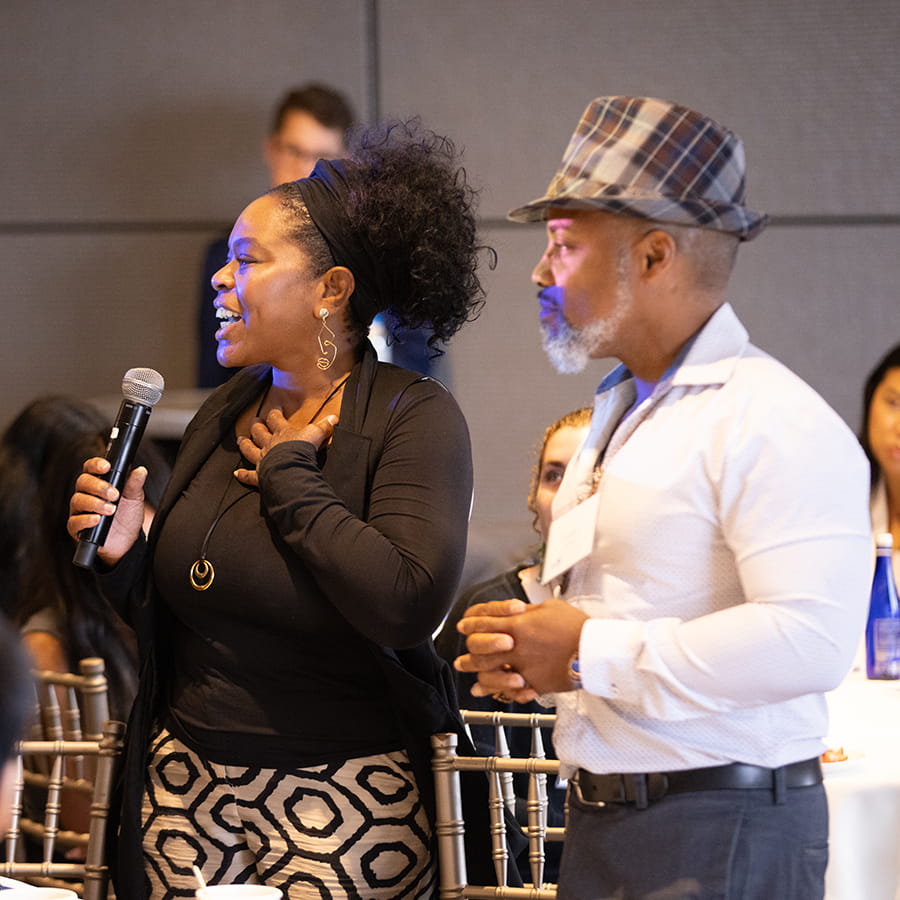
BEST Boston 2025 - woman standing in dress attire holding microphone with another attendee in another member in checkered porkpie hat and white casual business shirt (no tie)  looks on

Turn Learning Into Professional Experience

Start building your professional network through internships, jobs, and research opportunities. All incoming students are automatically enrolled in two email digests, one focused on internships, fellowships, and events, and the other sharing job openings, helping you tap into the community’s network right away. Competitive funding programs help you gain experience that strengthens your career readiness. Students also have access to initiatives like Beacon2Beacon, a mediation team serving the UMass Boston community, where you can apply conflict resolution skills in real situations.

Learn About Beacon to Beacon

Program Faculty